

Piedmont sits at the crossroads of Anderson and Greenville counties, tucked into a stretch of Upstate South Carolina where the landscape shifts between river bottom land and rolling terrain. It’s a community that has kept its character while the surrounding region has grown rapidly around it, and the homes here reflect that mix of older construction and more recent development.
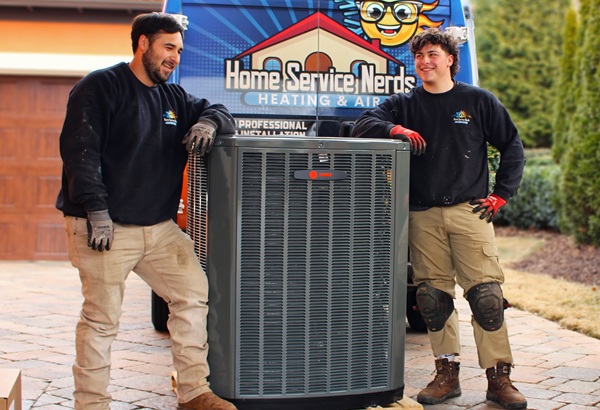
Home Service Nerds HVAC, AC & Furnace Repair is based near Greenville, and Piedmont is our backyard. We know this area, we serve neighbors here, and we take that responsibility seriously. As a veteran-owned, family-operated team, we hold ourselves to a higher standard on every call. We show up when we say we will, tell you exactly what we find, and fix it right the first time. If we ever fall short of that, we come back at no extra charge until it’s right.

Piedmont’s position between the Saluda and Reedy River watersheds means the community deals with some of the more persistent humidity patterns in the Upstate region. That moisture-laden air puts a steady burden on residential cooling systems, particularly on components like the evaporator coil, condensate drain, and blower assembly that handle the moisture removal side of the cooling process. Systems here don’t just fight heat; they fight humidity around the clock all summer long.
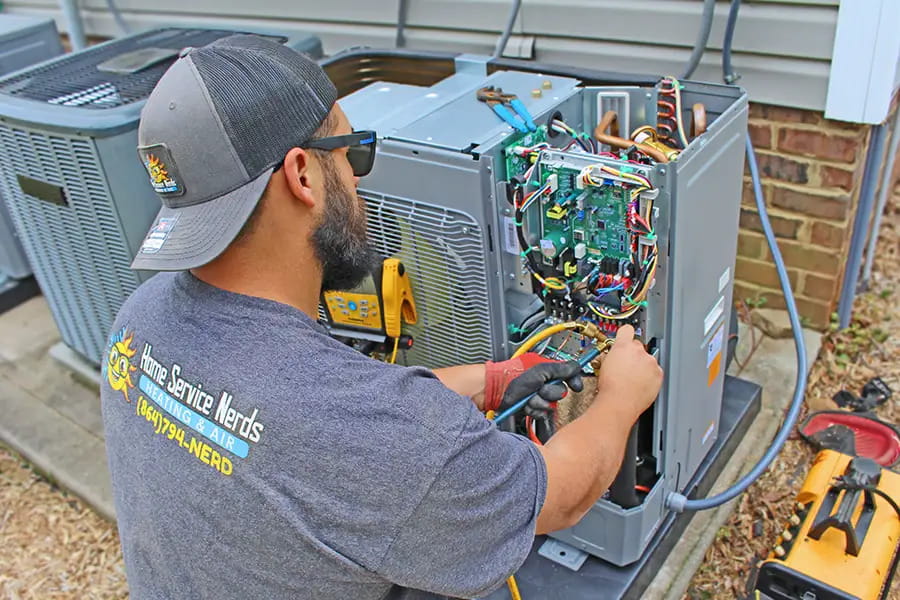
Our repair services are built around finding the real source of a problem, not just the part that failed. We assess refrigerant charge, test electrical components, inspect coil condition, evaluate drain line flow, and verify that airflow is balanced throughout the home. When we’re done, we walk you through what we found and what we corrected in plain language. You won’t hear us describe a simple repair in technical terms designed to justify a bigger invoice. That’s just not how we work.
In Piedmont’s humid summer climate, a cooling system that’s starting to fail can go downhill fast. These are the warning signs worth acting on before a small problem becomes a big one.
Piedmont summers don’t offer much of a cushion. If your system is showing any of these signs, getting ahead of it now will almost always save you time, money, and discomfort.
The river corridor geography around Piedmont contributes to humidity levels that stay elevated even on days when temperatures are not at their peak. That sustained moisture creates ideal conditions for algae and mold growth inside condensate drain lines, which is one of the most frequent causes of system shutdowns we see in this area. A blocked drain line triggers a safety float switch, cutting off the system entirely until the blockage is cleared.
Older homes in Piedmont, particularly those built before the 1990s, often have original ductwork that was sized for less efficient systems and may have developed gaps or separations over decades of thermal expansion and contraction. Those leaks quietly bleed conditioned air into crawl spaces and attics, forcing the AC to run longer cycles without ever achieving the desired temperature. On top of that, the outdoor units in homes with heavy tree coverage near the Saluda River corridor collect debris faster than most, restricting condenser airflow and causing the compressor to overheat during the hottest stretches of summer.
Raymond called us on a Friday afternoon in late June. He lives in an older ranch-style home off Piedmont Highway, not far from where the county lines meet, and his AC had been running all day without bringing the temperature below 82 degrees. His wife was home with their grandchildren, and he needed someone out there quickly.
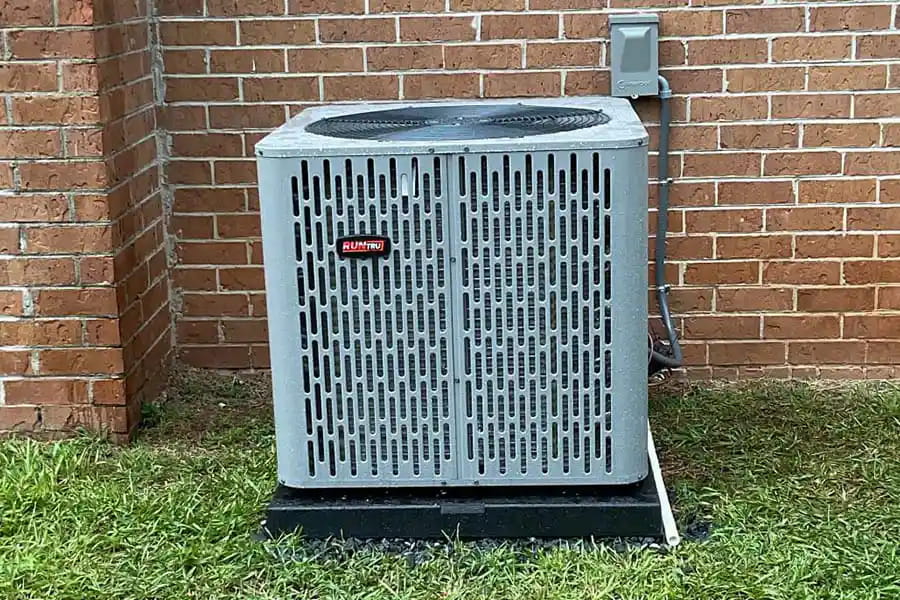
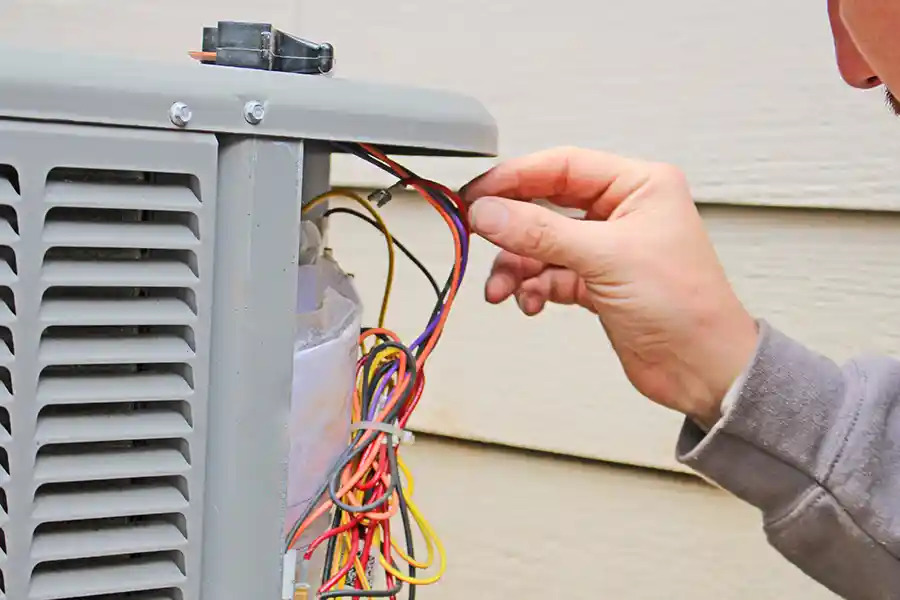
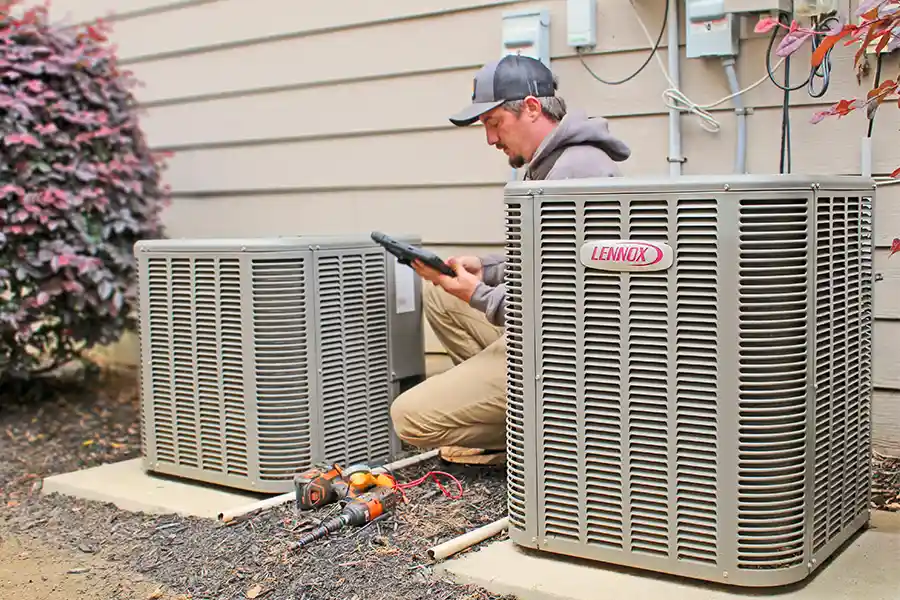
Our technician arrived within the window we promised. The outdoor unit was running, but a quick check revealed the condenser coil was badly restricted with cottonwood debris and a season’s worth of pollen buildup. The coil couldn’t release heat efficiently, so the refrigerant pressure had climbed to the point where the system was on the verge of tripping a high-pressure lockout. We carefully cleaned the coil, tested the refrigerant pressures, and confirmed the system was operating correctly before leaving. The house was at Raymond’s target temperature before dinnertime. He told us he’d been putting off a cleaning for two seasons. In Piedmont’s environment, one season is about all a neglected coil can handle before it starts to cause real problems.
Piedmont is home territory for us, not just a service area on a map. We built this company around the kind of values that matter in a close-knit community, and every technician we send to your door represents those values in the way they work and communicate.
Piedmont neighbors are our neighbors. That’s not something we say lightly, and it shapes how we show up for every call in this community.
Yes. We serve the full Piedmont area across both Anderson and Greenville counties, including homes along Piedmont Highway, the river corridor neighborhoods, and surrounding communities throughout the Upstate region.
Your air conditioner removes both heat and moisture from indoor air. On high-humidity days, the system has to work harder on the moisture side of that equation, which increases the load on the compressor and evaporator coil. In an area like Piedmont where humidity stays elevated through most of the summer, that added strain is consistent and can accelerate wear over time.
In Piedmont’s humid climate, once a year is the minimum and twice a year is better for systems that run heavily. Algae and organic buildup accumulate faster here than in drier climates, and a blocked drain line is one of the most common reasons systems shut down unexpectedly. Keeping it clear is inexpensive preventive maintenance.
Sudden failures are usually caused by a component that was already under stress reaching its limit, most commonly a capacitor, contactor, or float switch triggered by a backed-up drain line. These parts don’t always give obvious warning signs before they fail. A diagnostic visit will identify the cause and get you back up and running quickly.
It depends on the system’s age, its repair history, and the nature of the needed fix. Systems over 12 to 15 years old that need a major component repair are often better candidates for replacement, especially since newer equipment handles humidity more efficiently, which matters a great deal in Piedmont’s climate. We’ll give you an honest side-by-side look at both options so you can decide what makes sense for your situation.