
Key Points
- HVAC zoning systems divide your home into independently controlled areas — giving every room or floor its own thermostat and eliminating the temperature battles common in multi-story homes.
- According to the U.S. Department of Energy, HVAC zoning systems can reduce heating and cooling energy use by up to 30% by conditioning only occupied spaces.
- Greenville, SC’s variable climate — humid summers and cool winters — makes zoning particularly valuable, since multi-story homes experience significant temperature differences between floors year-round.
- Zoning systems work by installing motorized dampers in the ductwork, each controlled independently by zone-specific thermostats connected to a central control panel.
- Upper floors in multi-story homes run 8–10°F warmer than lower floors in summer — zoning directly solves this without overcooling the rest of the house.
- Modern zoning systems integrate with existing HVAC equipment in most homes — installation typically requires minimal remodeling or structural disruption.
- Contact Home Service Nerds HVAC, AC & Furnace Repair in Greenville, SC for a professional zoning assessment and installation quote.
When it comes to maintaining a comfortable home environment, zoning systems are a game changer. These systems allow homeowners to control the temperature in different areas or “zones” of their home separately.
Imagine having a cozy, warm living room for family gatherings while keeping the bedrooms cool for a good night’s sleep. This flexibility not only enhances comfort but also improves energy efficiency, potentially lowering utility bills.
With the fluctuating weather in Greenville, a zoning system can ensure that every room in your home feels just right, all year round. This blog post will discuss the benefits of zoning systems for multi-story homes in Greenville.
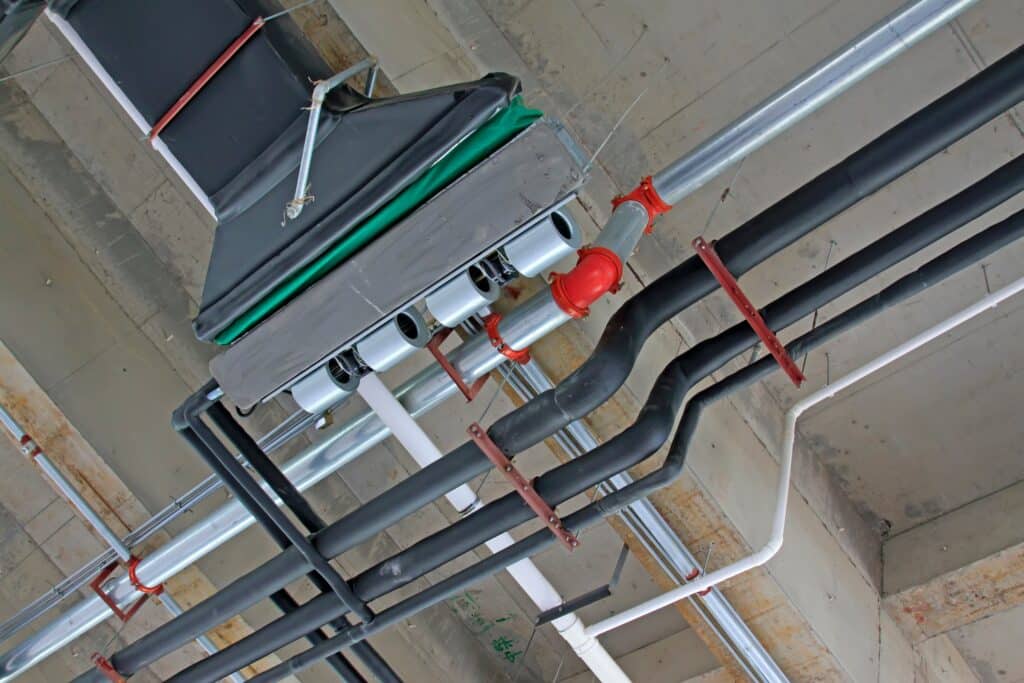
What Is an HVAC Zoning System?
Zoning systems revolutionize home climate management by dividing your living space into individually controlled areas. Each zone has its own thermostat, giving you precise control over the temperature in every room or floor without affecting the rest of the house.
Here’s how the system works:
- Motorized dampers are installed inside the ductwork — each one controls how much conditioned air flows into its assigned zone
- Zone-specific thermostats allow each area to be set to a different temperature independently
- A central control panel connects all the thermostats and dampers, orchestrating the system as a whole
These systems integrate seamlessly with modern HVAC setups already installed in most Greenville homes, requiring minimal remodeling or disruption to implement.
Why Multi-Story Homes in Greenville Need Zoning
Temperature inconsistency is one of the most common complaints in multi-story homes — and it’s rooted in basic physics, not equipment failure.
Heat rises. Upper floors in multi-story homes can run 8 to 10°F warmer than lower floors during summer, and the reverse can be true in winter as heat concentrates above living spaces. A single thermostat — typically placed on the main floor — can’t account for these differences. It will either overcool the main level to bring upper floors to a comfortable temperature, or leave upper floors warm while the main level reaches its setpoint.
In Greenville, SC, where summers are hot and humid and winters can be cool and unpredictable, this problem is amplified across a longer cooling season and a real heating demand in winter months. A zoning system solves it directly — conditioning each floor to the right temperature independently, without overcooling or overheating anywhere in the home.
Benefits of Zoning Systems for Greenville Homeowners
Enhanced Comfort and Personalization
Tailored climate control: Enjoy personalized comfort in every room. Whether it’s a warm study during chilly mornings or a cool bedroom at night, the right temperature is just a thermostat adjustment away.
Greater control: Manage specific zones with precision. Frequently occupied rooms get the attention they need, while rarely used spaces — a guest room, a storage area — stay in a more energy-efficient standby mode.
Improved Energy Efficiency and Lower Utility Bills
When used effectively, zoning systems significantly improve energy efficiency — a particularly meaningful benefit for multi-story homes in Greenville with their variable climate and extended cooling seasons.
By conditioning only occupied spaces rather than the entire home simultaneously, homeowners see measurable reductions in energy consumption. According to the U.S. Department of Energy, zoning systems can reduce HVAC energy use by up to 30% — translating directly into lower monthly utility bills.
Extended HVAC Equipment Lifespan
A zoning system doesn’t just improve comfort and reduce bills — it also reduces wear on your HVAC equipment. When the system isn’t forced to condition the entire home to compensate for temperature inconsistencies, it runs fewer cycles at less intensity. Less mechanical stress means longer intervals between repairs and a longer overall equipment lifespan.
Easy-to-Use Interface and Seamless Integration
Modern zoning systems feature intuitive digital control panels that make managing multiple zones simple — even for homeowners who aren’t tech-savvy. And because these systems integrate with existing Greenville HVAC equipment, most installations require minimal remodeling or structural changes to the home.
How to Choose the Right Zoning System for Your Greenville Home
Selecting the right zoning system starts with understanding your home’s specific needs and comparing your options honestly.
1. Assess Your Home’s Needs
Layout: Larger, more complex home layouts benefit most from zoning. Analyze the different areas of your home to identify distinct climate needs — upper vs. lower floors, sun-facing vs. shaded rooms, finished basements vs. main living areas.
Family preferences: Different family members often have different comfort levels. A zoning system allows each person’s space to be set independently — ending the thermostat battles that are common in households with varied preferences.
2. Choose the Right System
Research your options: Various zoning systems are available, ranging from basic two-zone setups to sophisticated multi-zone systems with advanced temperature controls and energy-monitoring features.
Consult HVAC professionals: Speaking with qualified HVAC professionals in Greenville, SC provides personalized advice based on your home’s specific architecture, ductwork layout, and climate needs — ensuring you install a system that’s properly matched to your home rather than over- or under-specified.
3. Plan for Installation and Ongoing Maintenance
Professional installation: Proper installation is critical. Licensed technicians understand the intricacies of HVAC ductwork and control systems — and correct installation is the single biggest factor in whether a zoning system delivers its full potential.
Regular maintenance: Like all HVAC components, zoning systems perform best with scheduled maintenance. Annual check-ups keep dampers operating correctly, thermostats calibrated accurately, and the control panel functioning reliably.
What the Installation Process Looks Like
Many homeowners want to know what’s involved before committing to a zoning system installation. Here’s what the typical process looks like with a qualified Greenville HVAC contractor:
Step 1: Site Assessment
Before any installation work begins, professionals conduct a detailed assessment of your home — evaluating the existing ductwork, HVAC equipment, floor plan, and any architectural elements that might affect zone placement or damper installation. This ensures the system integrates smoothly without unexpected complications.
Step 2: System Design and Customization
Custom zones: Based on your home’s layout and your family’s specific preferences, technicians design the optimal zone configuration — determining how many zones are needed, where dampers will be placed, and which thermostat locations will give the most accurate readings.
Control selection: Digital thermostats with user-friendly interfaces are selected for each zone, ensuring independent temperature adjustments are simple for every member of your household.
Step 3: Professional Installation
Licensed technicians install the dampers inside the ductwork, wire the zone thermostats, and connect everything to the central control panel. A thorough system test confirms every zone responds correctly before the installation is considered complete.
Ready to Upgrade Your Greenville Home’s Comfort?
Zoning systems present a compelling solution for Greenville homeowners seeking an end to inconsistent indoor temperatures in multi-story homes. Beyond immediate comfort improvements, they extend the life of your HVAC equipment and deliver substantial energy savings.
If you’re considering upgrading your home climate management with a zoning system, it’s worth exploring the advantages that Home Service Nerds HVAC, AC & Furnace Repair offers firsthand. Contact our team for personalized guidance on zoning options for your specific home in Greenville, SC.
If you are contemplating upgrading your home climate management with zoning systems, it’s worth exploring the numerous advantages Home Service Nerds HVAC, AC & Furnace Repair offers firsthand.
For added peace of mind, consider contacting professionals who can walk through the ins and outs of zoning for your specific needs in Greenville.